Sedation Options for Dental Implant Surgery in West Palm Beach (For Patients Who Hate the Dentist)
Originally published: December 2025 | Updated: March 2026 | Reviewed by Dr. Michael Berglass, DDS
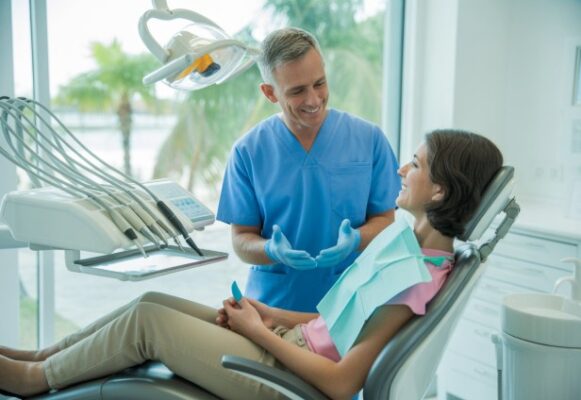
Sedation options for dental implant surgery in West Palm Beach range from local anesthesia with nitrous oxide to oral and IV sedation for highly anxious patients.
Dental anxiety is way more common than people admit, and honestly, nothing is embarrassing about it. Modern sedation techniques have changed how patients undergo dental implant surgery.
At West Palm Beach Family Dental, the team tailors local anesthesia, pacing, and comfort measures to your anxiety level, medical history, and procedure length—so even people who “hate the dentist” can get implants without panic, without in-office sedation.
Patients from West Palm Beach, Palm Springs, Lake Clarke Shores, and Greenacres can receive dental implants with thorough local anesthesia at West Palm Beach Family Dental, and can be referred to trusted local providers if they prefer treatment with nitrous oxide, oral, or IV sedation.
Now, patients in West Palm Beach can choose the sedation level that suits their comfort level—whether that means gentle local anesthesia only or working with a separate sedation provider. That’s a big deal if you’ve always dreaded the dentist.
This guide breaks down the sedation options for dental implant surgery, what each one feels like, and how you can pick what’s right for you.

Dental implant surgery means drilling into the jawbone and placing titanium posts. That’s enough to make anyone nervous, especially anxious patients.
Sedation options turn this experience around by dialing down anxiety and physical discomfort while you’re in the chair.
Plenty of people skip dental implants because of past pain or deep-seated fears. The sound of dental drills? It can trigger panic, especially if you’ve got childhood memories of painful visits.
Needle phobias keep some folks away, too, even when they know implants could fix their smile.
Common fears that keep patients away include:
These fears make sense if you’ve had rough dental experiences before. Modern dentistry uses advanced pain control and several sedation options to tackle these worries head-on.
Many people who hate the dentist don’t realize how much dental care has improved lately.
Sedation works together with local anesthesia to block both anxiety and pain. The local anesthetic numbs the area thoroughly, while sedation calms your nerves and makes you less aware of what’s happening.
Dentists provide layers of comfort during implant placement. They start with a numbing gel before any injections, then give a local anesthetic to block pain signals, and finally, sedation to help you relax or even feel sleepy.
With this combo, you won’t feel the drilling, cutting, or stitching. Sedation also helps you forget most of the procedure, which is a plus if you’re anxious.
Most people getting dental implants end up with conscious sedation, not general anesthesia. You stay awake enough to follow instructions, but you’ll feel calm and a bit detached from what’s going on.
Under conscious sedation, you can open your mouth wider when asked and follow directions, but you won’t feel pain. Many folks say it’s almost dreamlike, and time seems to fly by.
The meds wear off gradually after surgery. You’ll need someone to drive you home, but you usually feel like yourself again in a few hours.
This level of sedation gives you maximum comfort without the bigger risks of being totally unconscious.

Dental implant surgery in West Palm Beach usually comes with a handful of sedation choices, from basic numbing shots to deeper methods.
Most people do fine with local anesthesia and a light sedative, but the right choice depends on your anxiety level and how complex your procedure is.
The go-to approach for dental implant procedures is local anesthetic injections paired with a mild sedative. Patients stay comfortable and awake enough to follow directions but feel calm the whole way through.
Local anesthesia numbs the area, so you won’t feel pain. Adding nitrous oxide or an oral sedative helps if you’re nervous about the sounds or pressure.
Dental practices in West Palm Beach offer multiple sedation dentistry options to fit your comfort level. If you only use nitrous oxide, you can usually drive yourself home, but with oral sedatives, you’ll definitely need a ride.
Local anesthesia uses lidocaine or something similar, injected into the gum tissue around where the implant goes. Dentists give these shots right where they’re needed.
You’ll feel pressure and movement during surgery but not pain, as long as the area’s fully numb. The numbness usually sticks around for two to four hours after you’re done.
This is the best fit for folks with little anxiety who want to stay alert. Some people honestly prefer knowing exactly what’s going on. The numbing shots sting for a second or two, but it’s over fast.
Nitrous oxide offers quick, adjustable sedation through a little mask over your nose. You just breathe normally, and within minutes, you’ll feel more relaxed.
The effects? Less anxiety, maybe a mild buzz, and a sense of detachment from what’s happening. You’ll stay fully conscious and can answer questions or follow instructions.
The recovery is fast—once the mask comes off, the gas leaves your system in about five minutes. You can usually drive yourself home. The dentist can tweak the level during surgery to keep you comfy.
Side effects rarely happen, but you might get a little dizzy or queasy.
Oral sedation means you take a prescribed pill, usually about an hour before your appointment. Dentists often use triazolam, diazepam, or lorazepam—basically, a benzodiazepine.
You’ll feel drowsy and super relaxed but still conscious. A lot of people barely remember the surgery, which is a relief if you’re anxious about future dental work.
The strength depends on your dosage. Lower doses keep you relaxed but alert, while moderate doses might make you doze off, though you’ll wake up if someone talks to you.
Important things to remember for oral sedation:
Oral sedation helps patients with dental anxiety get through implant treatment without all the stress.
IV sedation goes straight into your bloodstream through a small needle in your arm or hand. It’s deeper than pills or gas, putting you in a “twilight” state—somewhere between awake and asleep.
An anesthesiologist or a specially trained dentist keeps a close eye on your vital signs throughout. The meds kick in quickly and can be adjusted on the spot if needed.
Most people don’t remember the procedure at all and feel like only a few minutes passed, even if the surgery took longer. This is a good choice for more complex cases or multiple implants, or if you’ve got a severe dental phobia.
Recovery takes a bit longer. You’ll need a ride home, and it’s best to take it easy for the rest of the day. Feeling groggy for a few hours is totally normal.
West Palm Beach practices that offer advanced corrective surgeries and dental implants often provide IV sedation to enhance comfort during major procedures.
West Palm Beach Family Dental understands dental fear—implants don’t have to feel traumatic. Talk through your comfort options and whether you may benefit from a referral to a local sedation provider in a calm, judgment-free visit. Schedule your consultation today.
If you’re ready to get started, call us now!
Each sedation level creates a different experience during dental implant surgery. The lightest options keep you awake and aware, while deeper sedation can wipe out any memory of the procedure.
You’ll experience different levels of awareness and comfort depending on which sedation method you pick. Local anesthesia with nitrous oxide keeps you fully conscious and able to chat with the dentist.
Oral sedation brings on a drowsy, dreamlike state—sometimes you’ll doze off, but you’ll wake up if needed. IV sedation is the deepest without going all the way under; you’ll technically stay conscious but probably won’t remember much, if anything, about the procedure.
With local anesthesia and nitrous oxide (laughing gas), you stay awake during the whole procedure. You can hear your dentist, answer questions, and follow instructions.
Your mouth feels numb from the local anesthetic, so you won’t feel pain. Nitrous oxide gives you a light, floaty sensation that melts away anxiety.
Many patients report feeling calm and not too bothered by the sounds or sensations. Some even get a little giggly or euphoric—honestly, it’s not a bad way to get through a dental appointment.
What to expect:
You can drive yourself home and jump right back into your day. This choice works well if you’ve got mild anxiety and want to recover quickly.
Oral sedation means you take a pill about an hour before your appointment. You’ll probably feel very drowsy and relaxed—kind of like you took a strong sleep aid.
Most folks drift in and out of light sleep, but the dentist can wake you up easily by talking or tapping your shoulder.
You’ll still respond to requests like “open wider,” though you might not remember much later.
Time seems to fly by when you’re under oral sedation.
Common experiences include:
You’ll need someone to drive you home and stay with you for a few hours. Most people feel tired for the rest of the day and shouldn’t plan to work or make big decisions.
IV sedation offers the deepest relaxation while you technically stay conscious. An anesthesia provider gives you medication through a vein and keeps a close eye on your vital signs the whole time.
You’ll slip into a twilight state—deeply relaxed, breathing on your own, but barely aware of anything happening. Most people remember nothing, or only tiny fragments, of the procedure.
For some, it feels like closing your eyes, and then suddenly the appointment is over. A few patients mention pleasant, dreamlike sensations but no real awareness of the dental work.
Key characteristics:
You’ll need someone to drive you home and stay with you for 12-24 hours. Grogginess usually fades in a few hours, but your judgment and coordination might be off for the rest of the day. IV sedation fits best for severe dental anxiety or big implant cases.
The best sedation option for dental implant surgery depends on three things: your anxiety level, your medical history, and how complex or long your procedure will be.
Mildly nervous patients often do well with local anesthesia and nitrous oxide, while severe dental phobias or full-arch implant cases may be better suited to oral or IV sedation.
Three major factors shape your decision about sedation for dental implants. First, how anxious are you?
If you just feel a little uneasy, you won’t need much sedation. If you get panicked just thinking about the dentist, you’ll want deeper sedation.
Second, your health conditions matter. If you have heart or breathing issues or other health concerns, your dentist will choose the safest sedation option for you.
Third, the complexity and length of your procedure matter. A single implant is fast, but a full mouth reconstruction takes much longer. Longer procedures usually call for stronger sedation to keep you comfortable the whole time.
Your dentist will look at all three factors together before recommending sedation options for dental implant surgery. There’s no one-size-fits-all answer here.
If your anxiety is low and your implant procedure is simple, local anesthesia and nitrous oxide are usually enough. Local anesthetic numbs the spot where the dentist works, so you stay awake and aware, but pain-free.
Nitrous oxide, or laughing gas, adds a gentle relaxation. You breathe it through a nose mask during the procedure. It creates a calm, floaty vibe while you stay conscious and able to talk.
This combo works best for single implant placements that take about 30 to 60 minutes. You can drive yourself home since the effects wear off fast. Most people handle this level of sedation just fine.
Best for:
Oral sedation helps patients relax during oral surgery when anxiety is higher. You take a pill about an hour before your appointment. It makes you drowsy and calm, but you won’t be fully asleep.
People on oral sedation often feel disconnected from what’s happening and may not remember much. The gag reflex drops significantly, which really helps with implant work in the back of your mouth.
This option is suitable for procedures lasting 1 to 3 hours. It’s a good choice for placing 2 to 4 implants in a single visit. Someone has to drive you to and from the appointment because the drowsiness lasts for several hours.
Your dentist can adjust the medication dose based on your weight, age, and anxiety. Higher doses mean deeper relaxation if you need it.
IV sedation puts medication straight into your bloodstream through a small needle in your arm or hand. This gives you the deepest level of sedation while you keep breathing on your own.
You’ll be in a state somewhere between sleep and wakefulness. You’ll respond to instructions, but you probably won’t remember much—if anything—afterward.
This choice works for full-mouth reconstruction, placing six or more implants, or if you have severe dental fear. It’s also a fit for people with special medical needs who need careful monitoring. An anesthesia professional stays with you the whole time to manage sedation and watch your vital signs.
Recovery takes longer with IV sedation. You’ll need a ride home, and someone should stay with you for the rest of the day. Most people feel back to normal by the next day.
Your dentist will review your complete medical records before picking a sedation type. Medications can interact with sedation drugs in tricky ways. Blood thinners, heart meds, and antidepressants all play a part in determining where sedation is safest.
Past experiences with sedation or anesthesia matter too. If you’ve had trouble with a certain medication before, you’ll want to avoid it. If you woke up easily during a previous procedure, you might need a more potent sedative.
Be honest about allergies—even to medications that seem unrelated. Your dentist will also ask about alcohol and tobacco use, since those affect how sedation works in your body.
If you’re pregnant, breastfeeding, or planning to become pregnant, let your dentist know. Some sedation types aren’t safe in those situations. Just be upfront about all your health factors so your dentist can pick the safest, most effective option for you.
If the thought of dental drills makes your heart race, let West Palm Beach Family Dental design an implant plan around your anxiety, using gentle techniques and effective local anesthesia. Contact us to get started.
If you’re ready to get started, call us now!
Sedation for dental implants is provided with strict safety protocols and continuous monitoring from start to finish.
Recovery time depends on the type of sedation, but most people return to normal within a few hours or the next day.
Sedation during dental implant surgery is safe when performed by trained dental professionals—dentists who complete specialized training and maintain certifications in sedation and emergency care.
The procedure’s safety really depends on thorough patient screening before surgery. If you have certain medical conditions, your dentist might need to tweak the sedation plan or take extra precautions.
Modern sedation techniques have been refined over decades of dental use. The team includes trained staff who monitor you throughout. They know how to adjust sedation levels and act fast if anything seems off.
If you’re getting oral or IV sedation, you’ll need to fast before your procedure. Most offices ask that you refrain from eating or drinking for 6-8 hours before your appointment.
Some dentists allow clear liquids up to 2 hours before surgery, but always follow your specific instructions. Nitrous oxide is lighter, so you probably won’t need to fast for that.
Tell your dentist about all medications and supplements you take. Some need to be paused or adjusted before sedation. Blood thinners, diabetes meds, and certain heart medications often require special consideration.
You’ll need a responsible adult to drive you home after oral or IV sedation. Don’t plan to drive yourself, take public transportation alone, or use rideshares without an escort.
If you only get nitrous oxide, you can usually drive yourself home since the effects wear off almost immediately.
During dental implant procedures, trained staff closely monitor your vital signs throughout. Standard monitoring equipment tracks your heart rate, blood pressure, and oxygen levels in real time.
Key vital signs monitored include:
The dental team records these numbers at regular intervals. If anything drifts outside the normal range, they can adjust sedation or step in right away.
Patients on IV sedation get continuous monitoring with more frequent checks than those on oral sedation.
Pulse oximeters clip onto your finger to track oxygen, and blood pressure cuffs automatically check your readings every so often.
Recovery times depend on the type of sedation. Nitrous oxide wears off in 5-10 minutes after the gas is stopped. You’ll feel alert and can get back to your day right away.
Oral sedation lingers longer. Expect to feel drowsy for 2-4 hours after your procedure. Most people are fully alert again in 6-8 hours, though some grogginess may persist.
IV sedation takes the longest to leave your system. You’ll probably feel drowsy for 4-6 hours and should rest at home for the rest of the day. Mental clarity and coordination usually return to normal within 24 hours.
Recovery Timeline Comparison:
| Sedation Type | Initial Recovery | Return to Activities |
| Nitrous Oxide | 5-10 minutes | Same day |
| Oral Sedation | 2-4 hours | Next day |
| IV Sedation | 4-6 hours | 24 hours |
Don’t drive, use machinery, or make important decisions for 24 hours after oral or IV sedation. Play it safe and give yourself time to recover.
Most people recover from sedation without any significant issues. Still, some symptoms mean you should pick up the phone and call your dental office.
Mild nausea pops up for some as the sedation fades. Usually, it goes away in a few hours.
If you keep throwing up or feel nauseous for more than six hours, that’s not normal—reach out for medical help.
Feeling groggy after sedation? That’s expected. But if you’re still super drowsy or hard to wake up six to eight hours after oral sedation, or twelve hours after IV sedation, it’s time to call your dentist.
Contact the office immediately for:
Your dental office provides an emergency number for after-hours concerns. Before you leave, you’ll get written instructions with warning signs and contact info—keep that handy.
Not every dental office takes anxiety seriously. Some don’t offer the right sedation options for nervous patients.
If comfort matters to you, look for a practice that gives you real choices. That can mean the difference between getting your dental work done and avoiding it for years.
A good sedation dentistry practice in West Palm Beach should offer at least three types of sedation: oral sedation, nitrous oxide, and IV sedation. Each one fits a different level of anxiety or procedure.
Oral sedation means taking a pill before your visit. It helps you stay calm but awake.
Nitrous oxide—laughing gas—wears off fast, so you can drive yourself home. IV sedation puts you in a deep, relaxed state, and you probably won’t remember the procedure at all.
If a practice offers only one type of sedation, that’s limiting. Multiple sedation options let your dentist match the right approach to your anxiety, health, and the procedure itself.
Ask about every option during your consultation. It’s also smart to ask how much training and experience the dentist has with each kind of sedation.
Some warning signs are hard to ignore. If staff rush you through your consultation or seem annoyed by questions about sedation, that’s a red flag.
Don’t stick with a practice that pressures you into one sedation method without explaining why. If the dentist brushes off your anxiety or just says, “You’ll be fine,” that’s not a good sign.
Other red flags include:
If a practice won’t talk about risks, benefits, or alternatives to sedation, they’re not putting you first. You deserve all the info before making decisions about your care.
The right dental team takes time to understand your fears and medical needs. Dentists experienced with anxious patients will ask about your past dental experiences and what triggers your anxiety.
A good dentist explains every sedation option in plain language. They’ll cover how it works, how long it lasts, what you’ll feel, and any restrictions afterward.
They’ll also review your full medical history and current medications to select the safest option.
Positive signs include:
The dentist should ask who’ll be with you at home. After IV sedation, you’ll need someone to drive you home and stay with you for a few hours. A good practice is to check this before scheduling IV sedation.
West Palm Beach Family Dental helps people who avoid the dentist because of anxiety or fear. Led by Dr. Michael Berglass, who has more than 25 years of clinical experience in restorative and implant dentistry, the team focuses on gentle, unhurried care and advanced local anesthesia, and can coordinate with outside sedation providers when appropriate.
You can come in for a free consultation, meet the team, and check out the office. Nobody pressures you to commit, and they’ll walk you through your comfort options.
Sedation providers use modern monitoring equipment to keep an eye on your vital signs and make sure you’re safe. If you want to talk about dental implants or whether sedation with a separate provider is right for you, just call and set up a consultation.
The staff gets that everyone’s anxiety is a little different. They create treatment plans tailored to each patient, always prioritizing comfort and results.
You don’t have to keep living with missing teeth just because you hate the dentist. Let West Palm Beach Family Dental combine gentle chairside care, advanced local anesthesia, and expert implants so you can finally fix your smile—schedule your appointment now.
Will I feel pain during dental implant surgery if I’m sedated?
You shouldn’t feel sharp pain during dental implant surgery. With proper local anesthesia, you’ll feel pressure and movement, not cutting or drilling. If you’re very anxious or sensitive, your dentist can adjust numbing techniques or discuss referral options to a trusted sedation provider.
What sedation options are available for dental implant surgery in West Palm Beach?
In West Palm Beach, patients can access local anesthesia alone, or, at select offices, nitrous oxide, oral conscious sedation, and IV “twilight” sedation. West Palm Beach Family Dental focuses on gentle care with advanced local anesthesia and can refer you to a separate sedation provider when appropriate.
Can I be “out of it” enough that I don’t remember the dental implant procedure?
Yes. Oral and IV sedation at dedicated sedation practices can leave you drowsy enough that you remember little or nothing of the procedure. If that level of “out of it” comfort feels right, your implant dentist can refer you to a provider who offers deeper sedation.
Can I drive myself home after sedation for dental implants?
You can usually drive yourself home after local anesthesia or nitrous oxide alone, once you feel fully alert. After oral or IV sedation provided by a separate office, you must have a responsible adult drive you home and plan to rest for the remainder of the day.
Is dental sedation safe if I have medical conditions or take anxiety medication?
Sedation can be safe for many patients with medical conditions, but it requires a careful health review. Your dentist and any outside sedation provider should review your full medical history, medications, and recent tests before recommending sedation or deciding that local anesthesia alone is the safest choice.
How long does it take to feel normal again after dental sedation?
Recovery depends on the method used. Local anesthesia and nitrous oxide wear off relatively quickly, often within minutes to a few hours. Oral and IV sedation can leave you groggy for several hours, so most patients rest, avoiding driving, work, or big decisions until the next day.
How do I know which sedation option is right for me?
Choosing the right sedation approach depends on your anxiety level, health, and treatment complexity. Start by being honest about your fear and medical history. Your dentist can recommend gentle local anesthesia alone or, if needed, coordinate with a trusted sedation provider to match you with a safe option.

About Dr. Berglass
Dr. Michael Berglass, a dedicated dentist with over 25 years of experience, specializes in dental implants, cosmetic, and general dentistry in West Palm Beach, Florida. A proud alumnus of Stony Brook School of Dental Medicine (DDS, 1996), Dr. Berglass further honed his expertise with residencies in general practice and dental implants at North Shore-Long Island Jewish Hospital. His journey in dentistry has taken him from New York to North Carolina, and now to Florida, where he continues to offer top-notch dental care. Known for his wit and intellect, Dr. Berglass makes every patient's visit comfortable. Formerly a member of the American Dental Association and the Florida Dental Association, Dr. Berglass remains committed to staying informed about advancements in dentistry and providing exceptional care to his patients. He looks forward to welcoming you to his practice.
About Dr. Cedenos

Dr. Ivan Cedeno is originally from Cuba where he did his dental studies. Having graduated with a DDS diploma gave Ivan and his family great satisfaction, considering he comes from a family of dedicated dental care professionals. After years of practicing Dentistry in Cuba for a few years, Ivan decided to continue his growth journey as a professional in the United States. Early on, Ivan worked as a laboratory technician, which gave him some unique insights that dental school does not teach. Having graduated from the University of Puerto Rico as a DMD, Ivan is allowed to practice in the USA.


